
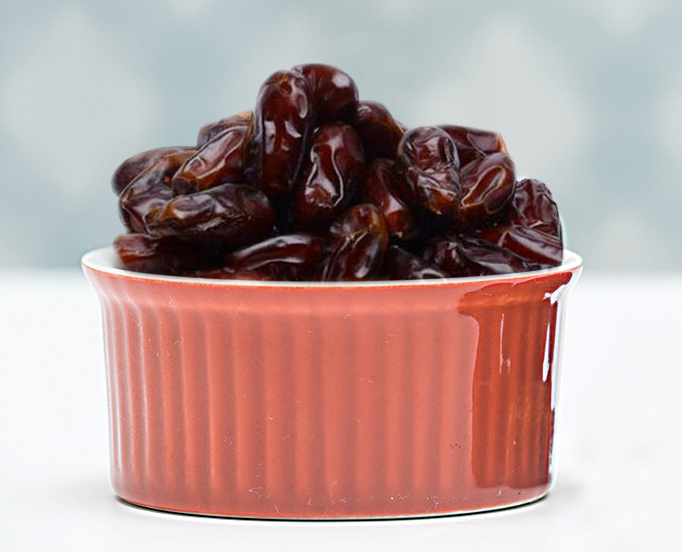
Ajwa gets most of the attention when people search for premium dates, but Sayer is worth knowing about for a completely different reason: it's one of the highest-volume commercial varieties in the whole date trade, and it does a job most other dates can't do as cheaply — processing.
Sayer comes from Khuzestan province in south-west Iran, not from Madinah, and it's grown for yield and sugar content rather than prestige. The fruit is soft, reddish-brown and very sweet once cured, with a sticky texture that makes it easy to break down into paste, syrup or vinegar. A firmer, higher-priced variety doesn't process as efficiently — Sayer's softness is exactly why it's the industry's go-to for date-based ingredients.
Iranian Sayer dates sold as whole fruit are the better-graded portion of the harvest, chosen for size and even colour, but even graded Sayer has a stickier, less firm bite than what buyers expect from a premium snacking date. If you're after something to eat out of hand at iftar or as a gift, a firmer variety will hold its shape and look better in a box. If you're baking, making your own date syrup, or blending energy balls, Sayer is the more practical and cheaper choice.
Buying tips: check for consistent reddish-brown colour and slight glossiness — overly pale or dry-looking pieces were picked before full ripeness. Refrigerate opened packs in an airtight container; Sayer's higher moisture content means it doesn't hold up as well at room temperature as a drier variety over several weeks.
For everyday cooking and baking use, Sayer is one of the most cost-effective Iranian dates on the market. For gifting or snacking, it's worth comparing it against other varieties first.
Browse our Sayer Dates and Kurma Nabi categories to compare, or see the full range of premium dates on the home page.