
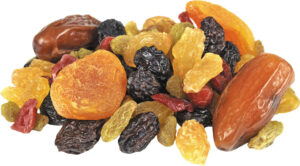
Junk food swaps mostly fail at the grocery list stage, not at the moment of temptation. If it's not on the list, it's not in the trolley, and the old habit wins by default.
Write the swap into the list by name
"Healthy snacks" as a line item gets skipped or turns into whatever's on sale near the checkout. "Dates, 500g" and "roasted almonds, small bag" written as specific items get bought, because a specific item is easier to find and check off than a vague category.
Shop the edges, not the middle aisles
Chips, biscuits and chocolate live in the middle aisles, arranged to be seen from every angle. Dried fruit and dates are usually near the produce section or a dedicated dried-goods shelf at the edge of the store. A list that's ordered by where things actually sit in the shop — produce and dried goods first, packaged snacks last or skipped — spends less time in the aisle that triggers the impulse buy.
One swap at a time, not the whole cupboard
Replacing every snack in the house in one shopping trip is expensive and easy to abandon after a bad week. Swapping just the after-dinner snack first — dates and nuts instead of biscuits with tea — is a smaller change that's easier to keep, and it can be followed by the next swap once the first one is routine.
Buying enough that the swap doesn't run out first
The usual failure isn't disliking the healthy option, it's running out of it mid-week while the junk food is still in the cupboard. Buy dates and nuts in the same quantity as the biscuits they're replacing, or slightly more, so the healthy option is still there on day five.
Where to actually buy from
Supermarket dried fruit sections are often marked up for the "health food" label. A dates supplier selling by the kilogram, rather than in small branded pouches, usually costs less for the same or better quality of dates — worth checking before assuming the healthy swap has to cost more.