
Most people looking for dates on a "kurma nabi"-branded site are after a premium whole-fruit variety — but Sayer deserves a mention too, because it's the date most likely to already be in a dessert you've eaten without knowing it.
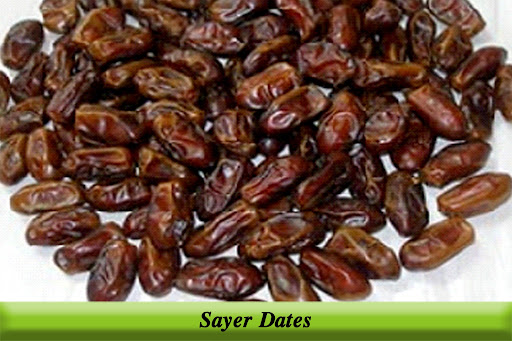
Sayer comes from Khuzestan province in Iran, harvested from around September, and it's a soft, sticky, reddish-brown fruit once cured — sweeter and less refined-tasting than a premium snacking date, with a flavour that leans more toward molasses than clean caramel. That profile is exactly why it's the food industry's preferred date for processing: much of any Sayer harvest ends up as dates syrup, paste, or an ingredient in commercial desserts rather than sold whole.
At home, that same property makes it a practical, budget date to cook with. Sayer dates pitted and blended with a little warm water turn into a smooth paste that works as a natural sweetener in cakes, energy balls, or oat bars — no long soaking required, since the fruit is already soft. For a simple syrup, simmer pitted dates in water until soft, blend, then strain.
If you're after a date to serve whole at the table — for gifting, for a dessert platter, or during a special occasion — Sayer isn't the strongest choice; a firmer, more presentable variety works better there. But for the actual cooking and baking side of things, Sayer is one of the most cost-effective dates available, and the flavour holds up well once it's part of a baked or blended dessert rather than eaten on its own.
Storage: refrigerate in an airtight container. Sayer's higher moisture content means it doesn't keep as well at room temperature over several weeks as a drier date would.
Compare Sayer against premium options like Medjool dates in our Sayer Dates category, or see the full range on the home page.