
Flip a fat-loss pill bottle over and look for the words "proprietary blend." That phrase lets a company list a group of ingredients as a single combined weight, without saying how much of each one is actually in there. It could be mostly filler with a trace of the active ingredient printed on the front. There's no way to check from the label, and that's the point.
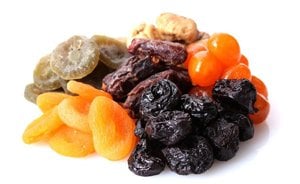
A plain food doesn't get to do that. Dates are dates — no blend, no undisclosed ratio, nothing hidden behind a trademarked name. That's not a weight-loss claim, it's just a difference in honesty: what's on the package is what's in the package.
The other thing worth checking before buying anything with "fat loss" on the box is whether the claim can be pinned to a real number. "Clinically proven to boost metabolism" sounds specific. "Boost it by how much, over what time period, compared to what control group, published where?" is the actual question, and most bottles have no answer to it, just the first sentence repeated in different fonts.
None of this replaces the plain arithmetic of eating less than you burn most days. It just means spending money on a bottle that won't say what's in it is rarely where that effort should go. Swapping an ultra-processed snack for something plain and countable — a handful of kurma instead of a packet of chips — is a smaller, cheaper habit that at least you can verify yourself.
Our dates fruit selection lists grade and origin plainly, and the healthy food category has other swaps worth a look if you're trying to cut the processed stuff generally, not just chase a bottle.