
Two plates can fill you up equally and still be far apart on calcium. This article looks at the meals that have calcium through one plain measure: how much calcium a food gives for every 100 kilocalories it brings. That number shows which foods earn their place on the plate and which ones are mostly there for flavour. The calcium and energy values all come from USDA FoodData Central, SR Legacy records last updated in 2019, and the daily target comes from the NHS.
What the NHS says you need
The NHS puts the figure at 700mg of calcium a day for adults aged 19 to 64 and over, and says you should be able to get all of it from your daily diet. The sources it lists include milk, cheese and other dairy foods; green leafy vegetables such as curly kale and okra, but not spinach; soya drinks with added calcium; bread and anything made with fortified flour; and fish where you eat the bones, such as sardines and pilchards. On spinach, the page adds that it does contain high levels of calcium but the body cannot digest it all.
Calcium for every 100 kilocalories
| Food (USDA record) | Calcium per 100g | Energy per 100g | Calcium per 100 kcal |
|---|---|---|---|
| Kale, raw | 254mg | 35 kcal | about 726mg |
| Firm tofu made with calcium sulfate | 683mg | 144 kcal | about 474mg |
| Unsweetened soymilk with added calcium | 124mg | 33 kcal | about 376mg |
| Okra, raw | 82mg | 33 kcal | about 248mg |
| Plain whole-milk yoghurt | 121mg | 61 kcal | about 198mg |
| Whole milk | 113mg | 61 kcal | about 185mg |
| Sardines canned in oil, with bone | 382mg | 208 kcal | about 184mg |
| Cheddar | 710mg | 403 kcal | about 176mg |
| Tahini | 426mg | 595 kcal | about 72mg |
| White bread | 144mg | 266 kcal | about 54mg |
| Almonds | 269mg | 579 kcal | about 46mg |
| Egg, whole, raw | 56mg | 143 kcal | about 39mg |
| Medjool dates | 64mg | 277 kcal | about 23mg |
| Deglet Noor dates | 39mg | 282 kcal | about 14mg |
| White rice, medium-grain, cooked | 3mg | 130 kcal | about 2mg |
The order changes once energy is counted. Cheddar has the most calcium per 100g of anything in the table, yet it drops to eighth place, because at 403 kcal per 100g it is also one of the most energy-dense. Kale goes the other way. It is so light that a whole cup of the raw leaves, 21g, comes to about 7 kcal and still gives about 53mg. Tahini and almonds hold a lot of calcium per spoonful, but they are dense in energy too, so they sit in the middle.
A day of meals, counted both ways
Breakfast is a cup of soymilk with added calcium and two pitted Medjool dates, about 332mg of calcium for about 213 kcal. Lunch is a cup of cooked white rice with a quarter block of calcium-sulfate tofu and eight okra pods, about 637mg for about 390 kcal. Dinner is another cup of rice with one large egg and a cup of raw kale, about 87mg for about 321 kcal.
That day lands at roughly 1,056mg of calcium on about 924 kcal, so it clears the 700mg with room to spare. It also stays under the 1,500mg a day that the NHS calls a high dose, above which, it says, calcium could lead to stomach pain and diarrhoea. Look at where the calcium came from. The tofu alone gave about 553mg, more than half the day, for about 117 kcal. The two cups of rice brought close to 484 kcal between them and only about 11mg.
Where dates sit on this scale
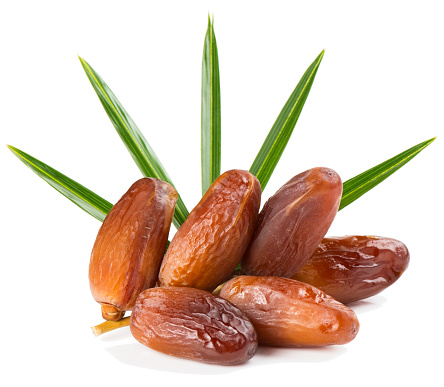
Dates are near the bottom of the table. One pitted Medjool, 24g, gives about 15mg of calcium and about 66 kcal. Getting the 553mg that the quarter block of tofu supplied would take about 36 Medjool dates and close to 2,400 kcal. Deglet Noor, the golden, semi-dry date from Tunisia and Algeria, does even less for each kilocalorie. So dates are not the calcium part of a meal.
They are still a good finish to one. The NHS counts a 30g portion of dried fruit, dates included, as 1 of your 5 A Day, and says it should be eaten at mealtimes, not as a snack between meals, to reduce the impact on teeth. The two dates in the breakfast above follow that advice.
The link to Kurma medjool Malaysia, an outside site, was already in this post and is kept. Kurma Nabi supplies dates at retail and wholesale prices, with delivery across Malaysia, as its about us page explains. For a price quote, the WhatsApp number is on the contact page.
The figures here are general nutrition information, not personal advice. A GP or dietitian can help with an individual diet.