
Introduction
Buah kurma demand doesn't just rise before Ramadan and the year-end festive run — the way stock is handled has to change too. More boxes moving faster through hotter months creates a freshness problem that never comes up during the quiet part of the year, and it's one most buyers only notice after a batch has already gone soft or crystallised in the box. If you're buying dates fruit in Malaysia in bulk for a festive push, this is worth planning around.
Why the surge itself is a freshness risk
Outside festive season, a supplier might turn over a pallet of dates in three or four weeks. In the run-up to Ramadan or year-end hampers, the same pallet can move in days — which sounds like an advantage, but it means stock sits in transit and in warehouse holding areas for shorter, more frequent bursts rather than one controlled storage cycle. Trucks get loaded and unloaded more often, boxes get opened and resealed more often for inspection, and every one of those touches is a chance for humidity to get in.
Malaysian heat and humidity work against you fast
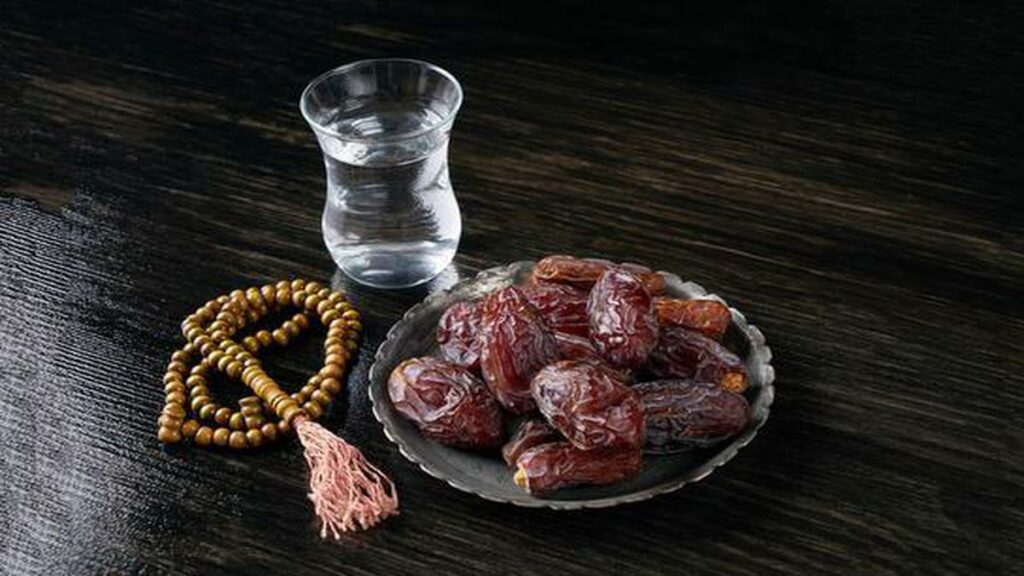
Dates hold up well in cool, dry storage, but Malaysia's climate is neither. Left in a non-air-conditioned van or a loading bay for even a few hours, sugar in the flesh starts to migrate to the surface and crystallise — the white, slightly gritty film buyers sometimes mistake for mould. It isn't dangerous, but it changes the texture and makes the batch look old even if it was picked recently. Once a shipment has been through two or three uncontrolled handling stops during peak season, that risk goes up sharply.
What to check before accepting a bulk delivery
Feel a handful before signing off: dates should be pliable, not tacky or hard. Check for a thin white bloom on the skin — light dusting is normal and can be gently wiped, but a heavy crust means the batch spent too long somewhere warm. And ask when the box was last opened for inspection; a batch that's been resealed multiple times during transit has had more chances to pick up moisture than one that moved straight through.
Storage habits that matter more during the rush
Whatever storage advice applies year-round applies harder here: keep stock in a cool, shaded area away from direct sunlight, don't stack boxes against an outside wall that heats up in the afternoon, and rotate older stock to the front so nothing sits untouched for the full length of the season. For a fuller rundown, see these date-storage tips — most of it is common sense, but common sense is easy to skip when everyone's rushing to fill orders before Raya.
Fresh, semi-dried or fully dried changes the calculation
Not every variety handles the rush the same way. Softer, moister styles are more vulnerable to the heat-and-humidity problem than firmer, more fully dried ones, which is part of why some buyers deliberately shift their festive-season order toward the drier end for anything that has to survive a longer supply chain — see the difference between fresh and dried dates if you're deciding which to stock for a longer selling window.
Buying around it
Order earlier in the season rather than at the peak, so your batch isn't competing for cold storage space with everyone else's last-minute order. Ask the supplier directly how the shipment will be handled between harvest and delivery, and check how grading affects price before assuming a cheaper batch is the same quality — sometimes the discount is there because the stock has already started to turn.