
Why the same variety can carry two different prices
Walk into two shops selling Ajwa and you can find a RM10 gap on the same 500g box. That's rarely a scam. It's usually storage. A date kept in a chiller from arrival stays plump and holds its price longer; one left on a warm shelf dries out within weeks and gets marked down before it hardens further. Harga kurma Malaysia isn't one number; it moves with how the stock has been handled, not just which variety is in the box.
Checking origin before you pay for it
Ajwa is grown specifically around Madinah, and that origin is most of what you're paying for. The variety doesn't grow the same way, or taste the same, outside that soil and climate. A box that lists no origin at all, just "kurma Ajwa premium", is worth asking about before buying, especially if the price looks too close to a generic mixed-grade date. A proper distributor will tell you straight where the stock came from and when it landed, because that's what justifies the price difference between an Ajwa box and everything else on the shelf.
What the texture tells you
- Dry surface but soft inside, normal for Ajwa; it's meant to be dense, not sticky.
- Visible sugar crystals on the skin, a sign of age, not a defect, but means it should be eaten soon.
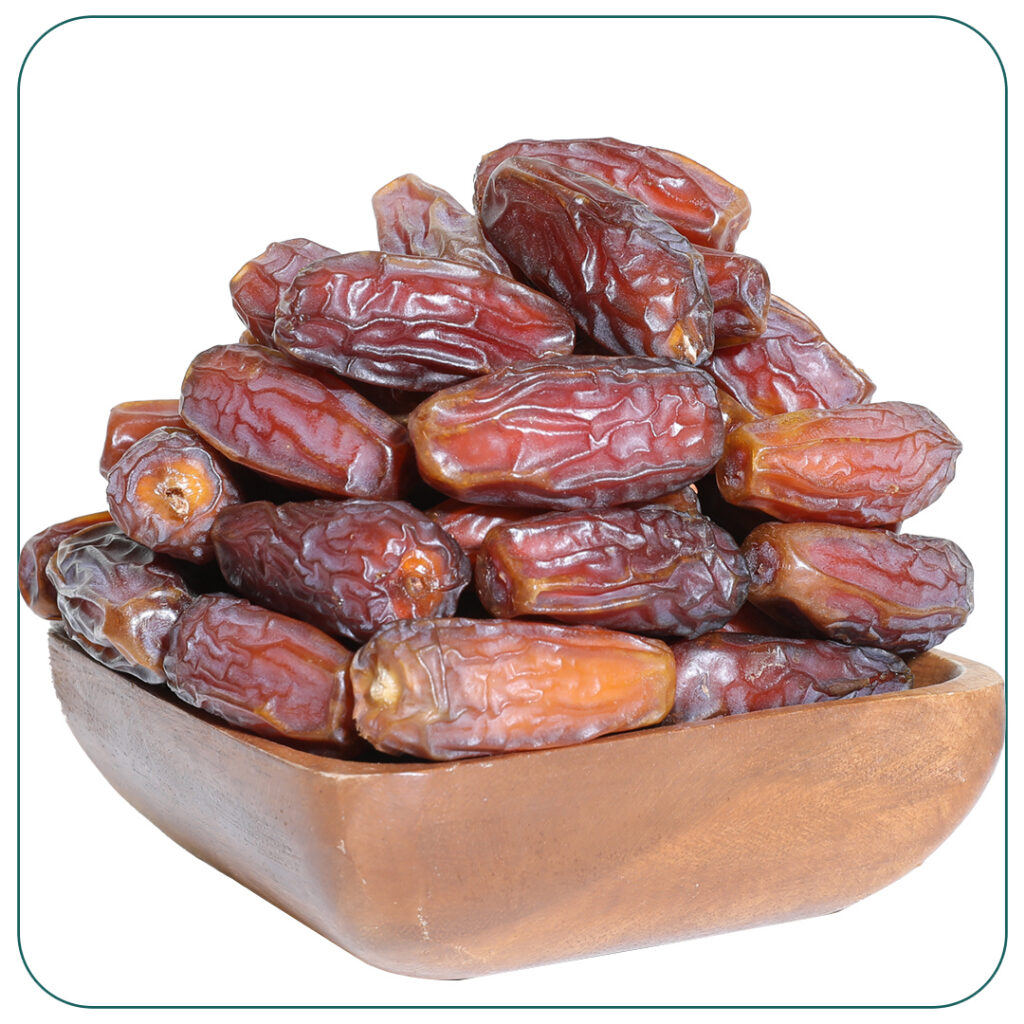
- Uniform dark colour with no pale patches, usually a sign of even ripening at harvest.
Cost per serving, not just cost per kilo
A RM40/kg box of small Ajwa can work out cheaper per piece than a RM25/kg box of oversized, watery dates, because you eat fewer of the dense ones to feel satisfied. When comparing Ajwa dates against other varieties, count pieces per 100g rather than just reading the per-kilo tag. A box with 20 dates per 100g and a box with 12 per 100g aren't really priced the same once you do the math.
Ajwa versus the rest of the shelf
Medjool is the variety most people compare Ajwa to, and the two aren't really substitutes. Medjool is large, soft, and priced for gifting; see the Medjool price breakdown for how those bands compare by grade. If grading terms on a listing (Gred A, AA, Jumbo) don't mean much to you yet, the grading systems guide walks through what each tier actually changes about the fruit, not just the price tag.
Buying for daily use versus buying for a moment
For everyday snacking, a mid-grade box that turns over fast at home is the better buy. You're not paying a premium for shelf life you don't need. For a specific occasion, where the box itself gets noticed, origin and grade matter more than price per kilo. Kurma Nabi carries its own history and significance in how it's given and shared, which is a separate reason to choose it beyond taste or price; worth reading if you're buying for that reason rather than for everyday eating.