Skip to content
Kurmanabi
February 25, 2024

Traditional Significance of Kurma Nabi

Kurma Nabi

Introduction: The Enduring Legacy of the Prophet's Dates

Few foods carry the depth of meaning that dates hold in Islamic heritage. Among the many varieties cherished across the Muslim world, kurma Nabi occupies a uniquely honoured place. Often translated as the Prophet's Dates, this revered fruit links everyday nourishment to a living tradition of faith, hospitality and gratitude. In this article we explore the spiritual roots, cultural practices and practical value of these dates, while offering grounded guidance for families in Malaysia who wish to keep this beautiful Sunnah alive at home.

Rather than treating dates merely as a sweet snack, the prophetic tradition frames them as a wholesome food worthy of intention. Understanding why can transform a simple habit, such as breaking the fast with a date, into a meaningful daily act.

What Makes Kurma Nabi So Revered

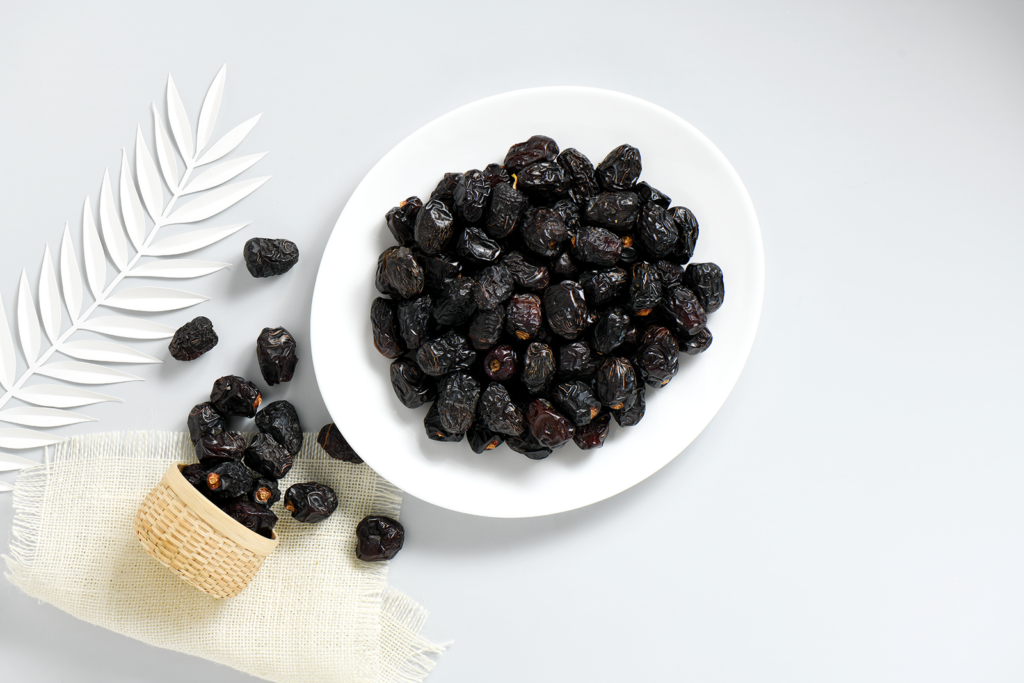
The phrase Kurma Nabi is most strongly associated with the Ajwa date, the variety grown in Madinah and closely tied to the example of the Prophet Muhammad (peace be upon him). Its dark, almost soft texture and gentle, less-sugary sweetness set it apart from many commercial varieties. For readers who want a deeper look at this particular fruit, our companion guide to the health benefits of Ajwa dates walks through its nutritional profile in detail.

Spiritual Significance

In Islamic tradition, the date is repeatedly mentioned as a blessed and wholesome food. Consuming it with the right intention is regarded by many believers as a virtuous act, a small way of following prophetic guidance. The reverence shown toward Kurma Nabi is therefore less about the fruit itself and more about the practice and remembrance it encourages.

Cultural Traditions

Across Muslim communities, from the Middle East to Southeast Asia, dates appear at moments that matter: weddings, religious gatherings, the welcoming of guests and the giving of gifts. Offering dates is a gesture of generosity and goodwill. In many Malaysian homes, a dish of dates on the table during Ramadan is as expected as the call to prayer at sunset.

Symbolic Meanings

The sweetness of the date is often read as a reminder of mercy and gratitude, while the date palm stands as a symbol of resilience and steadfastness, a tree that thrives in harsh desert conditions and still bears abundant fruit. These associations give the humble date a quiet, contemplative dimension that goes well beyond taste.

Traditional Practices and Rituals

The significance of Kurma Nabi comes alive through the everyday practices that surround it. Several of these have been preserved for centuries and remain widely observed today.

Breaking the Fast

During Ramadan, dates take centre stage at iftar, the meal that ends the daily fast. The tradition of opening the fast with a date and a sip of water is widely followed, both for its spiritual resonance and for its practical wisdom: a date provides gentle, fast-acting natural sugars that ease the body back into eating after a long day. For those interested in the science behind that energy lift, our piece on dates as a natural energy booster explains why this works.

Festive Offerings

On occasions such as Eid al-Fitr and Eid al-Adha, dates are shared among family, friends and neighbours as a symbol of joy and unity. Exchanging dates is a small but meaningful way to strengthen social bonds and express goodwill. Many households in Malaysia now keep a special reserve of premium Ajwa for these moments, and bulk purchasing has become popular for those hosting large gatherings; our overview of buying Ajwa dates in bulk covers what to look for.

Charitable Giving

Dates feature prominently in acts of charity, especially during Ramadan when they are distributed to the less fortunate as part of iftar packs and food aid. Sharing this blessed fruit allows everyone, regardless of means, to partake in the spirit of the season.

Other Fruits Honoured in Islamic Tradition

Kurma Nabi is the most celebrated, but it is not alone. Several other fruits carry symbolic and spiritual associations in Islamic heritage:

  • Pomegranate — associated with abundance and blessings; its many seeds are often read as a sign of the multiplicity of good.
  • Olive — the olive and its oil are mentioned in the Quran and linked with peace, light and nourishment.
  • Fig — regarded as a blessed fruit symbolising sustenance and refuge.
  • Grape — associated with blessings and the gardens of paradise.
  • Honey — though not a fruit, honey is described in the Quran as a beneficial food and a symbol of goodness.

Together these foods remind believers of the bounty of the natural world and encourage a sense of gratitude in everyday eating.

Choosing Authentic Kurma Nabi in Malaysia

Because Ajwa is highly prized, the Malaysian market offers a wide range of quality and price. A few practical pointers can help you choose well:

  • Inspect the texture. Genuine Ajwa is soft yet firm, with a fine wrinkled skin and a deep, dark colour. Excessive dryness or a sticky sugary coating can indicate poor handling or older stock.
  • Ask about origin. Reputable sellers are transparent about where their dates are sourced and how they are stored.
  • Buy from trusted specialists. Established date suppliers handle storage and packaging with care, which preserves both flavour and freshness.

For comparison shopping and a sense of the broader Malaysian date scene, it is worth browsing dedicated specialists such as Kurma Ajwa and Kurma Ajwa Malaysia, both of which focus on this celebrated variety. Reading across a few trusted sources helps you understand fair pricing and the differences between grades.

Storing Dates to Preserve Their Goodness

Once you have chosen quality dates, simple storage habits keep them at their best. Keep them in an airtight container away from heat and direct sunlight. In Malaysia's humid climate, refrigeration is a sensible choice and can extend freshness considerably, while freezing is suitable for longer-term keeping. Allowing chilled dates to return to room temperature before serving brings back their full softness and aroma.

Conclusion

Kurma Nabi, the Prophet's Dates, embodies a profound blend of spiritual and cultural meaning. Rooted in Islamic heritage, this sacred fruit is woven into acts of piety, hospitality and generosity, from breaking the fast to sharing blessings during Eid. For Malaysian families, choosing authentic, well-stored dates is a small way to honour that tradition while enjoying a genuinely wholesome food. As believers continue to cherish the customs surrounding these dates, the humble fruit remains a quiet reminder of gratitude, mercy and the bonds that hold communities together.