
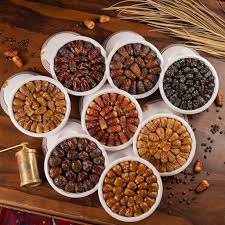
The paperwork behind every shipment
A container of dates doesn't clear Malaysian customs on taste alone. Before a shipment reaches Kurma Importir and other wholesalers, it carries a stack of documents: a phytosanitary certificate from the country of origin, a halal certificate matched to the specific processing facility (not just the brand), and an import permit issued by the Department of Agriculture. Miss one and the container sits at the port while the paperwork gets sorted out — costing days the fruit doesn't have.
Why the certificate has to match the batch, not just the supplier
A common mistake buyers make is trusting a supplier's reputation instead of checking the batch-specific certificate. Halal certification bodies audit facilities periodically, but a single shipment can still originate from an uncertified line if the exporter runs mixed production. Pricing across date varieties already varies by grade and origin — a shipment with incomplete documentation adds another layer of risk that has nothing to do with quality.
Pack date vs. best-before date
Two dates appear on most cartons: when the fruit was packed, and the recommended best-before window. Importers who only check the second one can end up holding stock that's been sitting in an overseas warehouse for months before it even reaches Malaysia. Asking for the pack date, not just the best-before date, tells you how fresh a batch actually is when it lands.
What's inside the carton, by the numbers
Composition doesn't change with paperwork, and it's worth knowing what a batch actually contains. A 100-gram serving of dates runs around 75 grams of carbohydrate and roughly 7 grams of fibre. Protein and fat are minor components: about 2 grams of protein and under 1 gram of fat per 100 grams. Vitamin content includes B6, niacin, pantothenic acid and vitamin K, and the mineral profile includes potassium, magnesium and copper. These figures stay fairly consistent across commercial varieties. What changes shipment to shipment is moisture content and sugar concentration, which is why grading exists in the first place.
Packaging matters as much as the certificate
Good paperwork means little if the carton itself lets moisture in during transit. Proper wholesale packaging — sealed, moisture-resistant, correctly labelled with batch number and origin — protects the batch between the exporter's warehouse and the importer's shelf. Buyers who ask to see packaging specs alongside the certificates get a fuller picture of what they're actually receiving.
What to ask for before signing off on a shipment
Before accepting a container: the phytosanitary certificate, a halal certificate naming the specific facility, the import permit, and a packing list with pack dates by carton. None of this is complicated. Skipping it is how importers end up with stock they can't move, or can't explain to their own customers.