
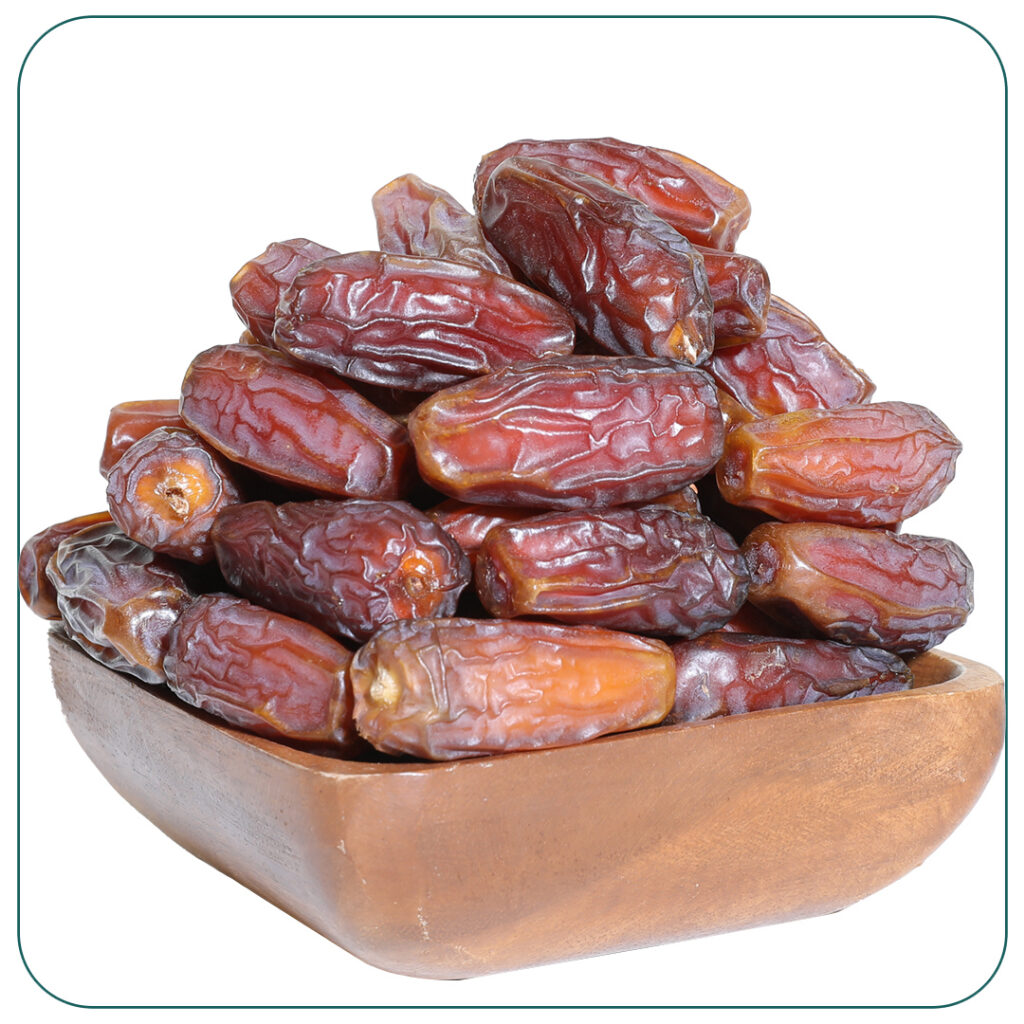
Most Malaysian kurma listings still carry a paragraph about "medicinal properties" copied from years-old wholesale blogs. None of it is required reading before you buy. What matters is printed on the box or listed by the seller: grade, origin, and pack date.
The three lines worth checking
Grade tells you size and skin consistency — AA and AAA cost more because less of the box is broken or dried-out fruit. Origin tells you the growing region, which affects sweetness and texture more than any supplement claim does. Pack date matters more than either: dates packed within the last six months hold their softness, while older stock, even unopened, turns sugary and stiff.
A seller who leads with "boosts immunity" instead of grade and pack date is usually hiding a weak batch behind the copy. It's worth being skeptical of that framing the same way you'd be skeptical of a vague "farm fresh" label on anything else.
What dates are, plainly
They are a dried fruit, high in natural sugar and fibre, similar in that sense to raisins or dried figs. That's not a criticism — it's why they work well as a quick snack or in baking — but it's also why "medicinal" was always the wrong word for them. The Mariami and Piarom varieties sold here are priced on exactly that: grade, size, freshness. Historical accounts of dates as a trade good go back centuries, long before anyone dressed them up as medicine.
If you want a deeper look at how importers grade stock before it reaches Malaysian shelves, our importer's grading guide covers it.