
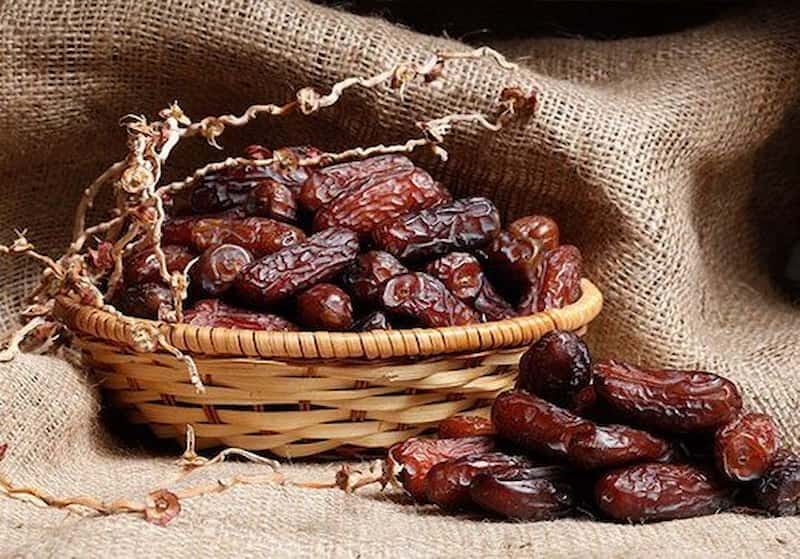
Every discussion of harga kurma eventually turns to the same question: why does the price of dates move the way it does from one season to the next? Part of the answer has less to do with demand and more to do with how much a harvest can be predicted — and that's where farm technology, not pricing strategy, is doing the real work.
Forecasting a Harvest Instead of Guessing It
Date palms don't ripen on a fixed calendar — heat, humidity and irrigation timing all shift the pollination-to-harvest window by weeks. Weather-station data combined with simple growing-degree-day models now lets larger farms estimate a harvest window months in advance rather than reacting once fruit is already on the tree. That forecast matters commercially: buyers who know roughly when a crop will land can plan shipping and storage instead of scrambling, which is one of the quieter reasons supply gluts and shortages have become less extreme than they used to be.
Pollination, Still Mostly by Hand
Despite the automation talk around agriculture generally, date palm pollination is still overwhelmingly done by hand or with simple pole-and-pollen tools, because timing it precisely (pollen viability drops fast) still needs a person judging the flower stage. Where technology has actually helped is in tracking which trees were pollinated when, using basic tagging or spreadsheet logs tied to each block — unglamorous, but it means a grower can trace a disappointing yield back to a specific pollination window instead of guessing at the cause.
Sorting Fruit by Machine, Not by Eye
Once dates are harvested, optical sorting machines using colour and size cameras have replaced a lot of hand-grading for larger operations. A machine can flag underripe or blemished fruit far faster and more consistently than a row of workers eyeballing a conveyor, and that consistency is part of why grade labels (Jumbo, Super, Special and so on) mean roughly the same thing regardless of which farm the fruit came from.
Where This Shows Up for Buyers
None of this is visible in a shop or on a label, but it's part of why sourcing has gotten steadier: fewer harvest surprises, more consistent grading, and shipping that's planned rather than reactive. If you've noticed that Medjool date prices move less wildly than they once did, farm-level forecasting and sorting technology are a real part of why. It's a supporting layer behind the fruit — the grower's judgment is still what decides whether a harvest is good, technology just gives them better information to judge with.
For dates reaching Malaysian buyers, that steadier upstream process is one of the reasons quality has stayed consistent even as import volumes have grown.
Related Reading
See also our guide to local versus imported kurma, and — if you read Malay — our explainer on why pack price and per-kilogram price aren't the same story.