
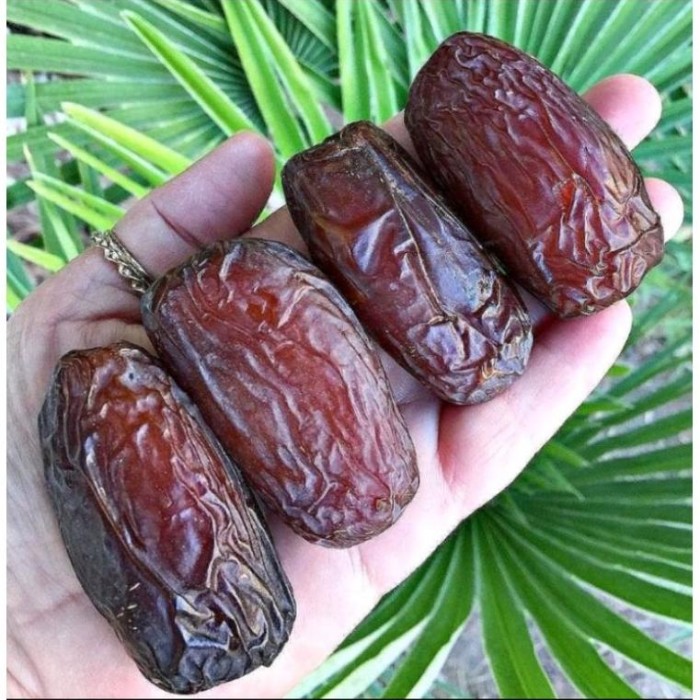
Anyone who has shopped for kurma medjool close to Ramadan knows prices can feel noticeably higher than they were a few months earlier. That is not a coincidence, and understanding the pattern behind it can help you plan purchases at a better price point.
Why prices move with the calendar
Demand for dates in Malaysia rises sharply in the weeks before Ramadan and stays elevated through the fasting month, driven by both household consumption and bulk corporate gifting. Suppliers know this cycle well in advance, but retail prices still tend to firm up as stock gets allocated against that demand spike. The same dynamic, on a smaller scale, shows up around other festive periods such as Chinese New Year and year-end gifting season.
Harvest timing versus demand timing
Medjool dates are harvested mainly in autumn (roughly September to November in the northern hemisphere), then processed, packed, and shipped. Malaysian stock bought soon after that window is typically closer to the original harvest price before extended storage and multiple handling markups accumulate. Buying well ahead of Ramadan, rather than in the final weeks before it, often means paying closer to that earlier price band.
A practical buying calendar
For households and small businesses that go through dates regularly, a simple approach works well: buy your main stock in the months following harvest (roughly December to February), when supply is freshest and demand hasn't yet spiked, and treat the pre-Ramadan period as a top-up rather than your primary purchase window. This also gives you more time to compare suppliers without the pressure of a looming festive deadline.
Storage makes early buying practical
Buying earlier only works if the dates keep well until you need them. Stored in a cool, dry place or refrigerated in a sealed container, good-quality Medjool dates hold their texture for months, which is exactly what makes off-season buying a realistic strategy rather than a compromise.
If you're weighing Medjool against other options for festive stocking, our Kurma Tangkai and the Ramadan rush article looks at how demand patterns play out across different date formats. For a broader look at what's available locally and imported, see our Malaysian Kurma overview, and if you're curious how modern cultivation techniques are shaping supply and pricing over time, our piece on technology's role in date palm cultivation is worth a read.